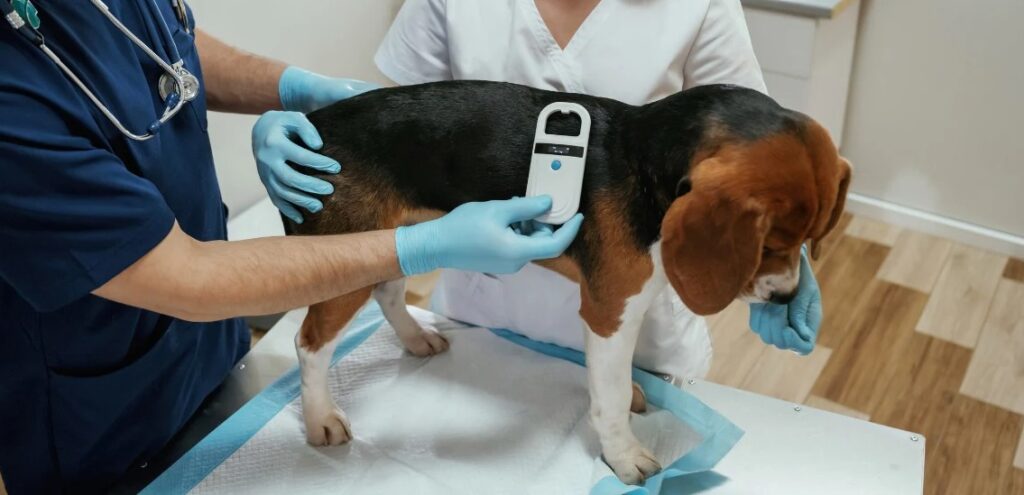
Microchip pets are becoming increasingly common as pet owners recognize the importance of permanent identification. While collars and ID tags are useful, they can easily become lost, damaged, or removed. A microchip offers a reliable, long-term solution that stays with your pet for life. Whether you own a dog, cat, or another companion animal, microchipping provides peace of mind and greatly improves the chances of a safe reunion if your pet ever goes missing.
A pet microchip is a tiny electronic device, about the size of a grain of rice, that is implanted just beneath the skin, usually between the shoulder blades. The procedure is quick, safe, and similar to a routine vaccination. Once implanted, the microchip contains a unique identification number that can be read using a specialized scanner. This number is linked to the owner’s contact information in a secure registration database, making it easier for veterinarians, animal shelters, and rescue organizations to identify and contact the pet’s family.
Many people mistakenly believe that a microchip works like a GPS tracker. In reality, a microchip does not track your pet’s location or transmit signals. Instead, it serves as a permanent identification method that can be scanned whenever a lost pet is found. This simple technology has helped reunite millions of pets with their owners around the world.
Dog microchips are especially valuable because dogs are naturally curious and may wander away from home, escape from a yard, or become lost during travel. Even well-trained dogs can become frightened by loud noises such as thunderstorms or fireworks and run away unexpectedly. Having a registered microchip ensures that if someone finds your dog and takes it to a veterinary clinic or shelter, staff can quickly identify your pet and contact you.
Cats also benefit greatly from microchipping. Indoor cats sometimes slip through open doors or windows, while outdoor cats may travel farther than expected. Since many cats do not wear collars consistently, a microchip may be the only reliable form of identification they have. This permanent identification increases the likelihood of a successful reunion if they become lost.
After your pet receives a microchip, it is essential to register the identification number with an approved pet recovery database. Equally important is keeping your contact details up to date whenever you change your address, phone number, or email. A microchip is only effective if the information linked to it is accurate and current.
Microchipping is suitable for pets of all ages, although many veterinarians recommend implantation during routine vaccinations or at the time of spaying or neutering. The procedure causes minimal discomfort, requires no ongoing maintenance, and typically lasts for the pet’s entire lifetime.
Responsible pet ownership also includes regular veterinary care, proper nutrition, exercise, and identification. Combining a microchip with a collar and visible ID tag provides the highest level of protection. If one form of identification fails, the other can still help bring your pet home safely.
In conclusion, microchip pets enjoy an extra layer of security that can make a life-changing difference during unexpected situations. Whether you own a dog or a cat, investing in dog microchips or other pet microchipping services is a simple, affordable step that offers lifelong benefits. Permanent identification helps protect your pet, supports animal welfare organizations, and provides invaluable peace of mind knowing that your beloved companion has the best possible chance of finding their way back home.
The Importance of Microchipping Your Pets: A Lifesaving Choice