Animal microchipping has become a standard and highly recommended practice for pet identification and recovery. Whether you have a dog, cat, or other companion animal, microchipping provides a permanent, tamper-proof way to ensure your pet can be traced back to you if they ever get lost. The microchipping process is simple, safe, and effective—yet many pet owners are still unfamiliar with how it works. This article will walk you through the entire animal microchipping process, from start to finish.
What Is Animal Microchipping?
Animal microchipping involves inserting a tiny electronic chip, roughly the size of a grain of rice, beneath your pet’s skin—usually between the shoulder blades. The microchip contains a unique identification number that can be read using a scanner. This number is then linked to the owner’s contact details through a secure database. Unlike collars and tags, which can fall off or be removed, a microchip is a permanent form of identification.
Step-by-Step: The Microchipping Process
1. Visiting a Veterinarian
The first step in the microchipping process is scheduling an appointment with a licensed veterinarian. Most veterinary clinics and animal shelters offer microchipping services. It’s a quick, non-surgical procedure that can be done during a routine check-up.
2. Inserting the Microchip
The vet uses a sterile syringe to implant the microchip under your pet’s skin. This takes just a few seconds and feels like a routine vaccination. No anesthesia is required, and most animals experience only minor discomfort, if any.
3. Scanning the Microchip
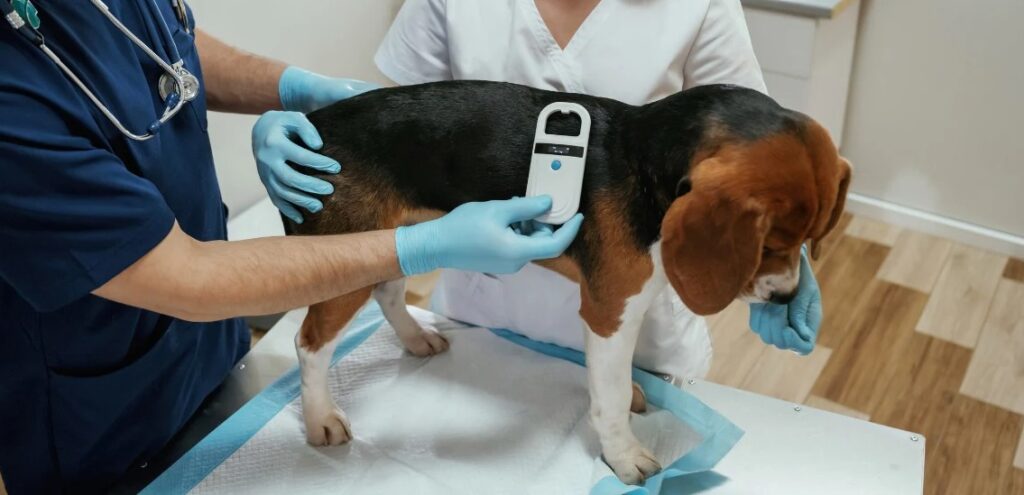
After insertion, the vet uses a handheld scanner to confirm the chip is functioning properly. The scanner displays the chip’s unique ID number, verifying that it’s readable.
4. Registering the Chip
This is one of the most critical steps. The unique ID number must be registered in an official microchip database along with your name, address, and contact information. Some clinics handle this for you, while others provide instructions for online registration. Without registration, the chip holds no information that can help reunite you with your pet.
5. Updating Your Information
Whenever you move or change phone numbers, be sure to update your contact details in the database. Many pets are never returned to their owners simply because their chip information is outdated.
Benefits of Microchipping
The primary benefit of microchipping is permanent identification. If your pet is found, a vet or shelter can scan them and access your information from the database, often resulting in same-day reunions. Microchips also provide peace of mind when traveling, and in some regions, they are even required by law.
The animal microchipping process is fast, safe, and inexpensive, yet it offers lifelong benefits for pet safety. It only takes a few minutes to implant the chip, but those few minutes could one day save your pet’s life. By ensuring your pet is microchipped and registered properly, you’re taking a smart and loving step toward protecting your furry friend.
The Importance of Microchipping Your Pets: A Lifesaving Choice